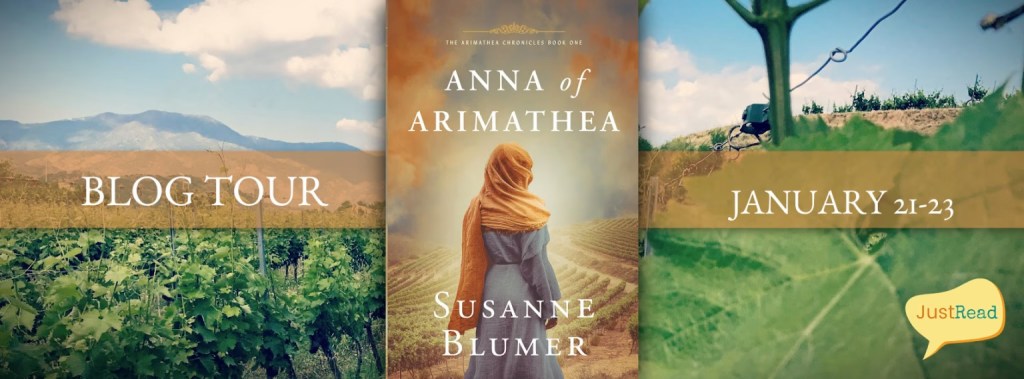
Welcome to the Blog Tour for Anna of Arimathea by Susanne Blumer, hosted by JustRead Publicity Tours!
About the Book
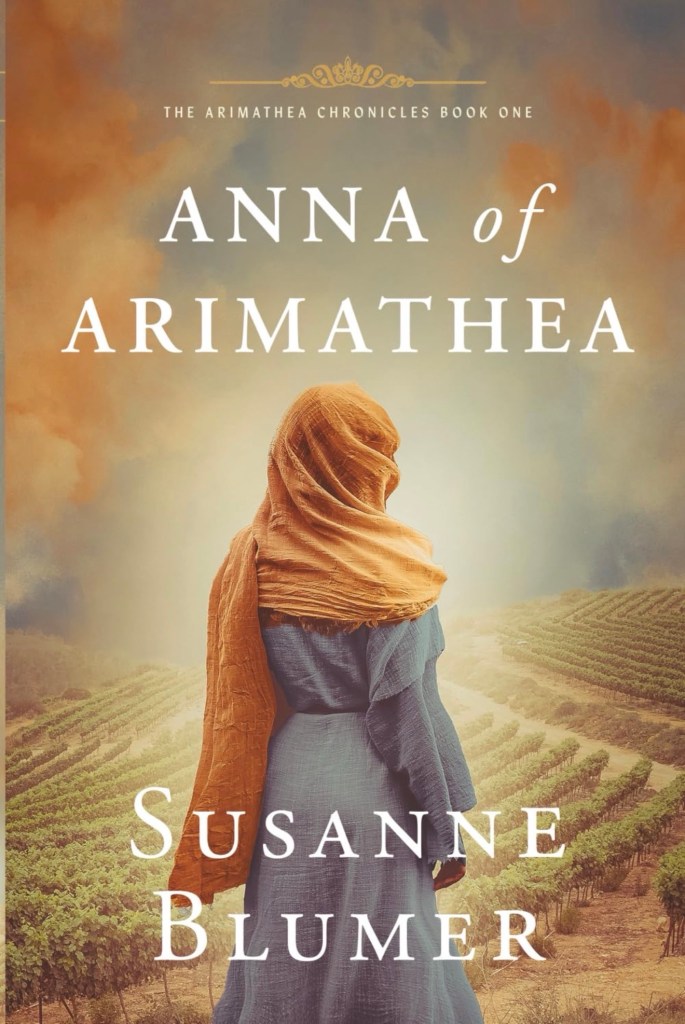
Title: Anna of Arimathea Series: The Arimathea Chronicles #1 Author: Susanne Blumer Publisher: Sutton Avenue Press Release Date: December 7, 2025 Genre: Biblical Fiction
Some wounds are carried in silence. Some healings require more than medicine.
Eighteen-year-old Anna bears the marks of a childhood tragedy that left her motherless, scarred, and lame. Hidden within the household of her father, Joseph of Arimathea, a wealthy councilman of the Sanhedrin, her days are measured in herb gardens and healing tinctures, in the steady work of hands trained to help others, and in the quiet safety of a world made small.
Then Andrew of Bethsaida arrives at her father’s gate with urgent business for Joseph and talk of a teacher who calls ordinary people to extraordinary purpose. A fisherman turned disciple, Andrew follows the rabbi Jesus with a conviction that unsettles every long-held expectation—including Anna’s own.
When Andrew’s kindness cracks open the door to a larger world, Anna faces an impossible choice: remain in the safety of her father’s estate or risk everything for the possibility of healing, love, and a life she never dared imagine.
Set against the dusty roads and fishing villages of first-century Judea, where miracles unfold and mercy walks among the broken, Anna of Arimathea opens The Arimathea Chronicles—a richly imagined tale of faith, first love, and redemption in the footsteps of the Messiah.
Anna of Arimathea is perfect for readers who love:
Biblical and historical fiction with rich period detail Redemptive love stories that explore the cost of faith Immersive historical worlds Characters who choose courage over comfort
Susanne Blumer lives her life surrounded by stories—some she writes, and some she sells. As the CEO and Founder of Sassafras on Sutton LLC, she is the owner of three magical indie bookstores nestled in the North Carolina mountains of Black Mountain and Waynesville and Beaufort, South Carolina. One even has a full coffee bar. Oh, happy day!
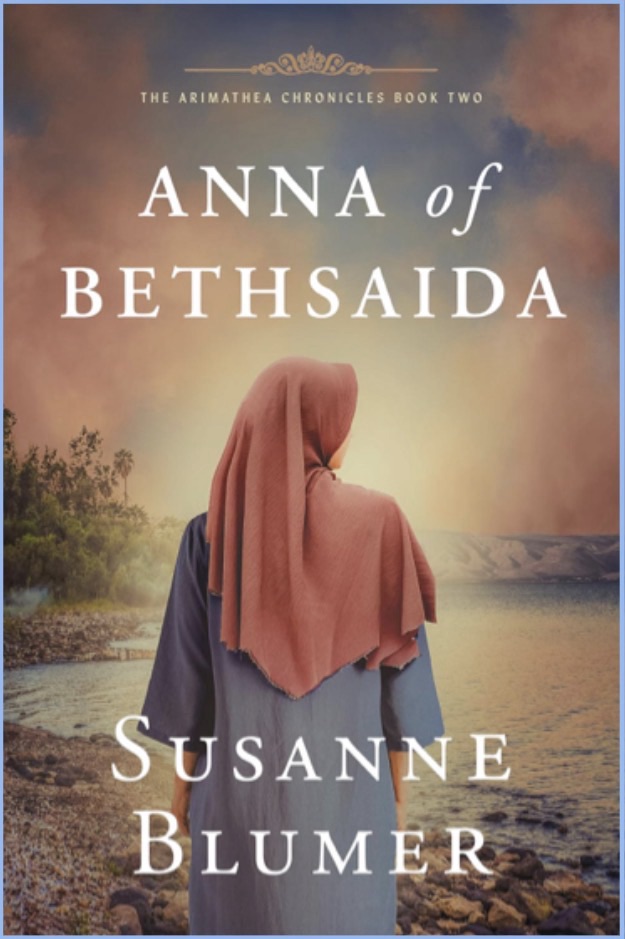
She is the author of The Arimathea Chronicles, a series set in first-century Judea and centered on the life of Anna, the daughter of Joseph of Arimathea. The first book, Anna of Arimathea, published in December 2025 and the second, Anna of Bethsaida, will be available in March 2026. She’s also written several children’s books, including the award-winning Bell Tower Bible Adventure series she co-wrote with her husband. Her new children’s picture book series, The Story of You, will release its first book late Spring 2026 called Before Your Story Had A Name.
When she’s not writing or doing other entrepreneurial tasks, you can usually find her hanging out on the floor of one of her stores, drinking coffee and learning the stories of her customers or spoiling her eight chickens. Susanne splits her time between Waynesville, NC in her beloved mountains and Beaufort, SC on the enchanting Lowcountry coast.
Connect with Susanne by visiting susanneblumer.com to follow her on social media and subscribe to email updates.
Excerpt:
THE MARKETPLACE (Prologue)
Jerusalem, 17 AD. Five-year-old Anna and her mother Sarah are caught in a marketplace riot that will change everything.
A woman screamed. Another voice joined, then another, until the marketplace churned with noise. Pottery crashed as a stall overturned, shards skittering across the ground like broken teeth. Chickens fluttered from their cages, wings beating the air, feathers drifting in the sunlight.
The crowd swelled and heaved. Strangers shoved past each other, fear rising like a shout above the sudden quarrel.
Sarah spun from the spice stall. Her eyes found Anna in the pen, crouched in the straw with the wounded lamb.
“Anna!” Her cry carried above the noise as she pushed into the crowd.
A centurion shoved through the chaos. His face was dark with fury, and his whip coiled in his fist like a deadly serpent. Behind him, soldiers poured out on horseback, their hooves ringing on the stone.
“Back, dogs!” he bellowed. “You think Rome will let you riot in her streets?”
He snapped the whip overhead, the crack splitting the air.
This is a book I haven’t yet read, but I really want to! I love Biblical fiction and this looks to be another well-told story of Jesus’s time. I believe this is a novel worth your attention!
Tour Giveaway
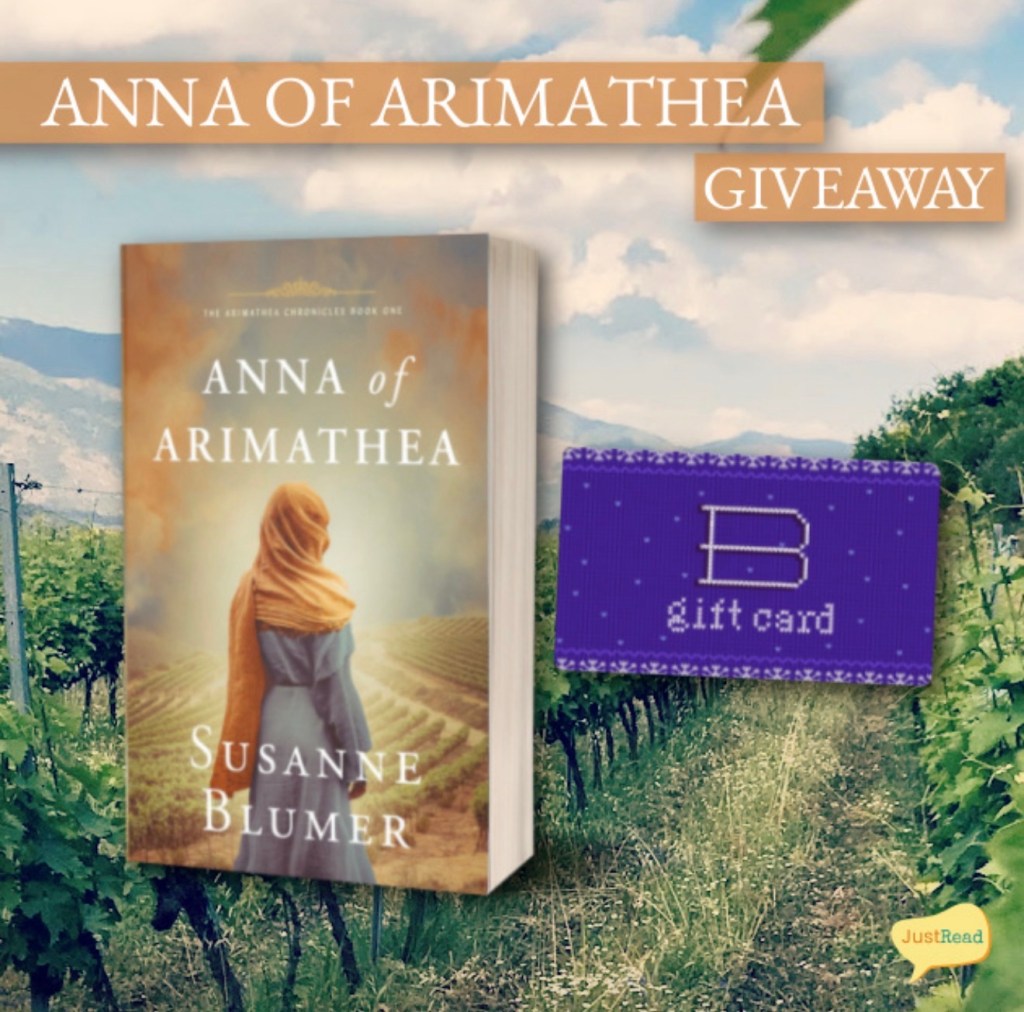
(2) winners will each receive a signed print copy of Anna of Arimathea plus a $50 Bookshop.org Gift Card!
Full tour schedule linked below. The giveaway begins at midnight January 21, 2026 and will last through 11:59 PM EST on January 28, 2026. Winners will be notified within 2 weeks of close of the giveaway and given 48 hours to respond or risk forfeiture of prize. US only. Void where prohibited by law or logistics. Giveaway is subject to JustRead Publicity Tours Giveaway Policies. Enter Giveaway
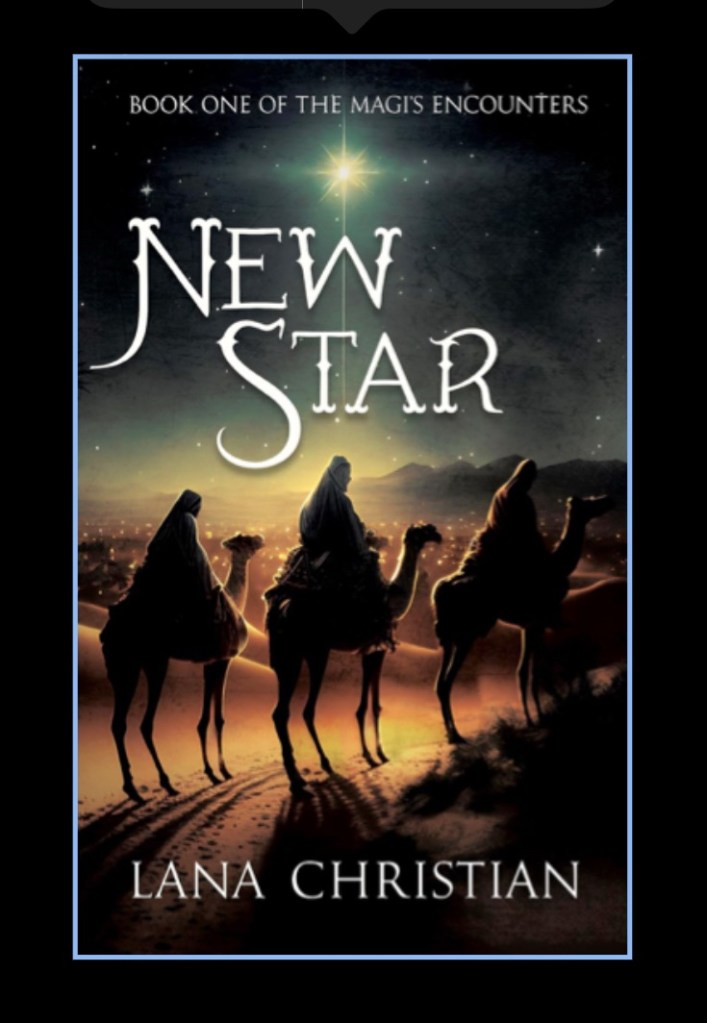
Welcome to the Blog Tour for Survival Secrets by Lana Christian, hosted by JustRead Publicity Tours!
About the Book
Title: Survival Secrets Series: The Magi’s Encounters #2 Author: Lana Christian Publisher: Scrivenings Press Release Date: September 23, 2025 Genre: Biblical Fiction
On the run from Herod and the Nabataeans, Akilah makes a desperate decision to venture into the unforgiving Wilderness of Paran. To reach Egypt’s safety, his caravan must survive the elements while maintaining their anonymity and protecting the secrets they harbor. Their knowledge of Yeshua is one of many secrets that jeopardize their lives. When calamity tears one Wise Man away from the others, the group’s resolve and newfound faith start to crumble. Farther from their goal of returning to Persia than ever before, they encounter Yeshua’s family again. Its ramifications raise the stakes for their cost of belief in the Hebrew God.
Two thousand miles away, Akilah’s estranged cousin, Farzaneh, wrestles with the same as she tries to uncover secrets her husband took to the grave when he embraced the Hebrew faith. As life shifts radically for everyone, each person must risk trusting an unfathomable, sovereign God.
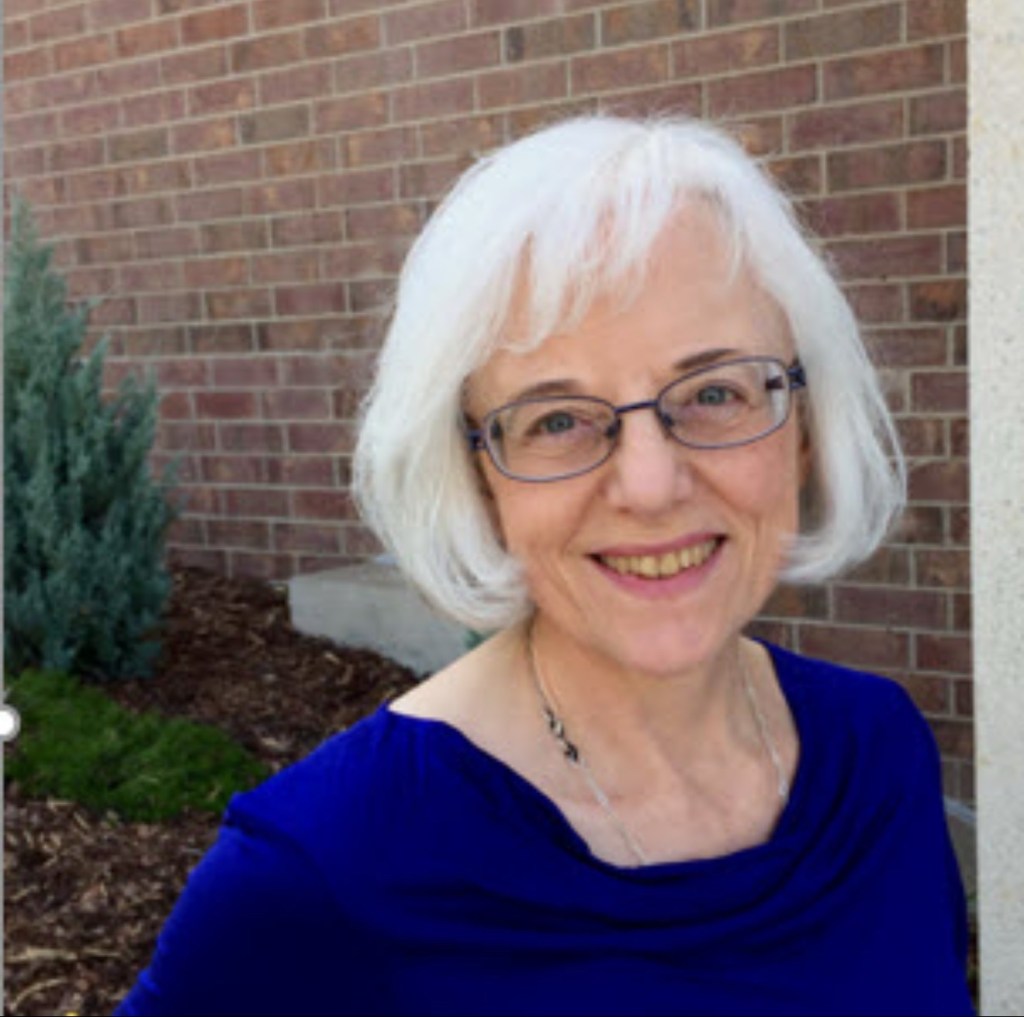
Lana Christian is an award-winning author in business and creative writing. Since 2021, she has won a dozen awards for her biblical fiction and nonfiction. Her debut biblical fiction novel, “New Star,” has garnered six awards to date. She was a 2025 Selah Awards finalist in the Devotions Online category and also won an award from Baker Publishing Group for her short story about Lot. Lana is a science and history geek who loves hiking, secret staircases, and masala chai tea. Her greatest desire is that her stories will immerse readers in another place and time they may know little about but come away with an experience that exceeds their expectations.
Connect with Lana by visiting lanachristian.com to follow her on social media or subscribe to email newsletter updates.
My Impressions
“…he could never repay her in full… He couldn’t put a price tag on finding Yeshua.” (Akilah)
Survival Secrets by Lana Christian taught me much about the ancient world at the time of Christ’s birth. I was amazed at all the culture and history of so many nations that Christian’s knows and sews together to make one tapestry of the wisemen’s journey to find Jesus, and in this book, actually their return journey to their homeland. I was thankful for the summary of the previous book at the beginning, as well as the character list with pronunciations. And the maps! I only wish the one hadn’t been at the end of the book! I referred to the maps often as I moved through the book.
Danger, intrigue, and secrets are a common thread throughout the book. However, so many characters seem to vie for space that I had a difficult time connecting well with any of them. I would have preferred to see perhaps only the wisemen highlighted along with Akilah’s cousin with the others more in the background.
I did enjoy seeing the faith journey of both Akilah and Farzaneh. It was exciting to see Akilah pray, early in the journey, in wonder that he is approaching the Hebrews’ God, and later, in full faith. “I don’t know His purposes for us, but no matter how dark the night gets, we must never forget to look up—and look to Him.”
Forgiveness is another topic that several of the characters are beginning to grapple with, especially in the Light of their belief in the One true God and His ways.
Survival Secrets is a book I will say I am glad to have read. I can appreciate much about it, but it was not a simple read. I also want to admit not every book is for every reader, and I see that many are truly enjoying this work. With the novel’s ending, I just may have to read book three to find out what happens in the characters’ lives!
I received a copy of the book from JustRead Tours. I also bought my own copy. No positive review was required, and all opinions are my own.
Notable Quotables:
“Knowing about the child isn’t as important as what we do with what we know”– Tallis
“God of the Hebrews, deliver us out of this hardship or show me a way through it. I’m not wise enough to choose the right way all the time. No one is.” – Akilah
“The Hebrews’ God is concerned more about relationship than ritual. At least, that’s how He intends it to be. Not everyone practices that.” -Tallis
My Rating
⭐️⭐️⭐️1/2
Tour Giveaway
(1) winner will receive a $15 Amazon gift card + Plum Deluxe tea sampler*
(1) winner will receive a $15 Amazon gift card
*tea sampler will include a packet of each of the following Plum Deluxe teas:
No Obligations Decaf (a hazelnut almond black tea and author’s fave) Comfort Blend Cinnamon Orange black tea (caffeine) Magical Butterfly Herbal tea (butterfly pea flower + berries) (a close substitution may be made if one kind of tea is not available)
Full tour schedule linked below. The giveaway begins at midnight September 29, 2025 and will last through 11:59 PM EST on October 3, 2025. Winners will be notified within 2 weeks of close of the giveaway and given 48 hours to respond or risk forfeiture of prize. US only. Void where prohibited by law or logistics.
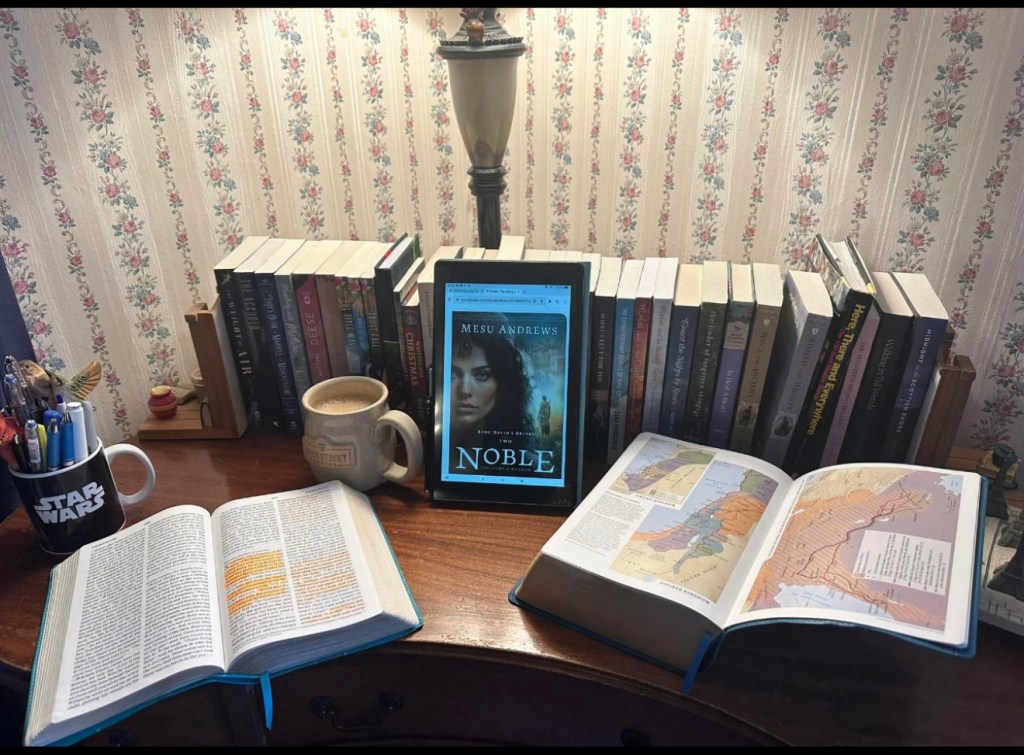
Princess Maakah of Geshur is duty-bound to create a political alliance for her father through marriage. The cancelation by King Saul of her betrothal to his fourth-born son compels Maakah’s father to send her to the rebel David ben Jesse, a shepherd-warrior anointed years earlier as Israel’s future king, to propose a marriage between them. Taken aback by stories of David’s ferocity and lowly birth, Maakah considers the match a degrading fate but obeys her father’s wishes out of duty as her nation’s only heir.
To her relief, David rejects the offer of marriage, but circumstances make it impossible for Maakah to return home, and she must stay with David’s people until it is safe for her to travel again. Facing prejudice and suspicion from the Israelites, Maakah navigates the delicate balance between her noble heritage and her growing respect for David’s faith and leadership. In a land torn by war and divided loyalties, she must choose where her allegiance lies: with her Geshurite people, or with an extraordinary destiny alongside David that beckons her from within.
Mesu Andrews is a Christy Award-winning, bestselling author of biblical novels and devotional studies, whose deep understanding of and love for God’s Word brings the Bible alive for readers. Her heritage as a “spiritual mutt” has given her a strong yearning to both understand and communicate biblical truths in powerful stories that touch the heart, challenge the mind, and transform lives. Mesu lives in Indiana with her husband, Roy, where she stays connected with her readers through newsy emails, blog posts, and social media.
More from Mesu
Can you please provide a brief summary of your novel, Noble?
Princess Maakah, the only child of Geshur’s King Talmai, and the only heir to his throne, must shrewdly marry to strengthen her nation’s political future. When King Saul cancels the betrothal contract he and Talmai had arranged for Saul’s fourth-born son, King Talmai reacts swiftly to secure a betrothal with the legendary rebel David ben Jesse. She obeys her abba’s wishes and travels south from Geshur, where her escort is attacked by Amalekite bandits. While captive to the Amalekites, Maakah is befriended by David ben Jesse’s two wives, Ahinoam and Abigail. When David rescues his family, he encounters Geshur’s arrogant pagan princess—having no idea Talmai had sent a betrothal contract with a Geshurite messenger. Though neither David nor Maakah wish to pursue a betrothal, David vows to keep Maakah safe, even though danger abounds at every turn. How did David and Maakah ever reach a truce and marry? How did they perhaps even come to love each other—so that Maakah could become the mother of David’s third-born son (2 Sam.
3:3b)?
How do you approach writing fiction about biblical characters while staying true to Scripture?
The Bible tells us that Maakah became David’s wife in Hebron and bore his third-born son, Absalom. It gives no other details about David and Maakah’s relationship; however, 2 Samuel 13– 15 does mention that Absalom killed his brother Amnon (because Amnon raped Absalom’s sister, Tamar). After Absalom committed murder, he fled to . . . Geshur, where his grandfather, King Talmai, sheltered him. These later Scriptures tell me some things about the character of King Talmai and the environment in which Maakah would have been raised as a young princess. Using the knowledge I’ve gained during my twenty years of research and writing biblical fiction, I can know that if Talmai had any other heir to Geshur’s throne, he likely wouldn’t have been so welcoming to a grandson who could have posed a threat to a Geshurite prince. Later, Absalom leaves Geshur—rather abruptly—and is suddenly willing to face death in Jerusalem (at David’s hand) than remain in Geshur (2 Sam. 14:32). These aren’t Truth explicitly stated in Scripture, but because I’ve visited Israel twice and studied the ancient culture under the guidance of wonderful Bible scholars, I hope the Truth of Scripture, historical data, and a God-directed imagination blend together in a story that pulls readers into the ancient world of David and his brides.
How do you approach writing about King David, such a well-known biblical figure, from a fresh perspective?
When most folks think of David, they remember chunks of his life: a shepherd boy whom Samuel anointed king; the youth who killed Goliath; the inexperienced warrior befriended by King Saul’s firstborn, Prince Jonathan; the victim of King Saul’s mania who was lowered from a bedroom window by his first wife, Michal (King Saul’s daughter); the warrior who escapes Saul in the desert, spares the enemy king’s life, and rescues Abigail from her lousy husband. Yet for some reason, we minimize the time David spent in that wilderness—likely, seven years or more. Then we skip right over his seven years in Hebron when six sons were born to him by six wives. SIX WIVES, y’all!
Then, most folks remember King David as the conquering king of Jerusalem. But that King David is very different than the David who roamed the wilderness and the thirty-year-old David who was learning how to reign in Hebron. Why do I say that? Look at the psalms David wrote. You can tell which were written in the wilderness and which were written after conquering Jerusalem. It proves what I’ve suspected for most of my life: When God really wants to test us, He blesses us beyond our imagination. When David ruled from his cedar palace in Jerusalem, too many times the wealth and blessings shoved God off the throne of his heart. I didn’t want to write about that David. In the KING DAVID’S BRIDES series, you’ll meet raw David—the David who says, “God is all I need because He’s all I have.”
Tell us about your research process for understanding the political climate of ancient Israel and Geshur.
I’m so grateful for the various places we’ve lived and my husband’s occupational journey since 2000. He began his doctoral work at Trinity Evangelical Divinity School (in Chicago), which gave me access to his scholarly library on campus. I muddled through those first few years of research—partly appalled at what I discovered about ancient cultures and partly mesmerized at how much more deeply I understood the Scripture when I grasped the ancient cultures (both Israel’s and the pagan nations around them). After seven years, he completed his PhD in Education and took a job at Multnomah University (Portland, OR), where I had even more access to their library, and I quickly made friends with the research librarian. She helped me immensely in delving even deeper into theses and dissertations that were more specific (like hair products of seventh-century BC Assyrians). After nine years, we moved to the other coast—Boone, NC—where Appalachian State University allowed me to purchase a “community card” for $10 lifetime access. Their “religious” research books were amazing, so I had access at home or on campus to lots of the pagan nations’ intricate rites as well as Jewish historical writings that I’d never seen before. We lived there for eight years before moving back to our roots in Indiana. At each stop along our way, I’ve picked up used books on Amazon or at these libraries (or from Roy’s professor friends) that have helped build my personal library at home. In 2020, Hubby and I were so blessed to take a group of readers to Israel and actually visit the ancient ruins of Geshur! When we have an open heart, God can use every circumstance to teach and bless!
How do you balance historical accuracy with creating relatable characters for modern readers?
Speaking of our 2020 journey to Israel . . . When we arrived at the Old Testament site of Geshur, I was intrigued that the New Testament city of Bethsaida had been built directly on top of it! This is common practice in archaeological sites. Sometimes as many as three or four cities are found in the different “strata” (or layers) of a hill (called tel in Hebrew). Our wonderful guide, Hedva, took us to the edge of the city, where we sat beneath a canopy as a protection from the glaring sun. Looking southeast, we watched the sparkling rays glimmer off the Sea of Galilee. It was one of the most beautiful sights I saw in the Land on that trip.
Realizing, however, that the Bible specifically describes the Geshurite villages David destroyed as “in the land extending to Shur and Egypt” (1 Sam. 27:8), I knew this city that was way north of the Galilee couldn’t be the same place David had destroyed. I asked the guide, “What about the southern villages of Geshur—in the south, closer to Ziklag, that David and his men would have destroyed along with the Amalekites and Girzites?” She looked at me as if I had two heads and said the Bible got that one wrong. There were no southern villages belonging to Geshur. Hmm. Well, that would definitely be a problem for both me and my Bible-believing readers! In order to write this story according to God’s Truth of Scripture, I created a fictional explanation for the villages “in the land extending to Shur and Egypt.” Am I contradicting historical accuracy? Nope. I’m just giving a plausible explanation until some very smart archaeologists catch up with God’s Truth and find proof of the Geshurite villages David destroyed in Philistine territory.
Your protagonist struggles with pride and duty. How does this reflect broader themes in Scripture?
With duty comes responsibility, but responsibility may or may not come with authority. Maakah thought she had both duty and authority, which bred arrogance (pride) that was doomed for destruction. In God’s economy, that’s a good thing. Since God hates pride, the best thing He can do for us is find ways—however gently we’ll allow it—to crush the pride that keeps us from turning to Him for help. The greater our call to duty, the more tempted we are to carry that duty on our own shoulders. It’s a tendency as old as the Garden. Didn’t Eve want to eat that forbidden fruit when the serpent said she would “be like God” if she ate it? Don’t we all stretch for more responsibility, more authority, because we want to do it our way? The more we get our way, the more we become proud of our successes and the more we want the authority to make more decisions—for ourselves. It’s really the theme of every story in the Bible and in life. “It’s up to me, and I’ll get it done.” But God’s way says, “Obey me, and we’ll do it together.”
Your novel deals with themes of prejudice and tribal loyalties. What parallels do you see for modern readers?
When David and Maakah focused on the ways they were different or the barriers that would come between them, their future together seemed hopeless. When they focused on the miracles God worked to bring them together and their united passion for that same God, their future together seemed inevitable.
The relationship between faith and heritage is central to your story. What inspired this theme?
I try hard not to begin the story with a designated theme. I get to know the Truth of Scripture with the historical data I discover during research and then do a lot of prayer-guided imagining of how characters would feel, think, and act. The faith and heritage theme was already there from Scripture. I couldn’t imagine that David, as a man after God’s own heart, would ever marry a pagan—no matter what the political benefit to his new reign. And from what I knew of the Aramean family of nations (Geshur was one of five), Talmai would lie, cheat, kill, or steal to find a beneficial match for his daughter. The rest of the story was just imagining all the bad stuff that could happen in a two-week time span that might break down both David’s and Maakah’s defenses and open their hearts to God’s chess game of the heart.
What message do you hope readers take away from Maakah’s story?
I want them to believe that no one is too far gone for Yahweh to reach. My husband and I weren’t believers all the way through high school. God used a lot of key people, hard experiences, and patient grace to draw us into His family. (See my personal testimony at: https://mesuandrews.com/meet-mesu/personal-testimony/.) If He can reach me, He can reach anyone.
What are you working on next?
I’ve already started Loyal: The Story of Haggith. Again, we know nothing about Haggith’s true identity from Scripture, so through supplemental Truth, historical data, and my imagination, I’ve imagined David’s fourth wife as the daughter of Hebron’s chief priest. When some of David’s home tribe of Judah discover his marriage to Princess Maakah, they imagine the worst and accuse him of marrying a Gentile pagan. Joab, David’s oldest nephew and general of his troops, convinces David he must marry quickly and marry a woman who proves his undying commitment to Yahweh and His Law. Who better than Haggith, daughter of Judah’s most revered chief priest, and the woman who is David’s most vehement critic?
My Impressions
“I will not now, nor ever, become a third wife or deny the gods of my ancestors.”
If you love Biblical fiction, Mesu Andrews is a name to follow. Meticulous research of both history and customs, faithfulness to what we know of Scripture, and a great storyteller’s imagination where we don’t, all stand out in Noble, King David’s Brides Bk. 2, by Andrews. I was amazed as I read, just how much Scripture, especially Psalms, Andrews is able to thread into the story seamlessly. There are so many truth nuggets that are shared as David and his first two wives, Nomy and Abigail, daily patiently encourage Maakah to choose the sole God of Israel over the plethora of gods of Geshur.
Kudos to Andrews for including a map and a list of characters at the front. Also for listing the Bible passages the book is based on. I have read these passages many times, but I had to re-read them with fresh eyes as I started Noble.
I found the storyline very engaging, exciting, and suspenseful. Told alternately from Maakah’s pov and David’s pov, I actually learned to care for the spoiled princess. Would she and her maid Zulat come to trust in the God of David, imperfect though he is ( six wives- anyone?) Maakah‘s father eventually promises her in a covenant marriage to David, in order to gain influence over Israel. Whose way will stubborn and regal Maakah choose? Her way and or her father’s, or David’s and that of his God, forsaking her own?
It is really neat to see how David leads his band of followers in praise, worship, and obedience to God. Though it’s easy for the idea of many wives to be a stumbling block, Scripture records that as fact. So it is very interesting how Andrews shows it could have happened, and the spiritual and emotional harmony that David may have encouraged in his home.
One point that Andrews brings out about both Maakah and David is that they were both longing for acceptance from their earthly fathers. I’d never stopped to consider this about David, but it does seem to fit in with how he is treated in Scripture. David tells a hurting Maakah, “…only Yahweh can fulfill our deepest yearnings for an abba’s affection.”
Don’t miss this exciting, fleshed out tale of David, and how Maakah may have come to be his third wife! Read Noble for the twists, the superb storytelling, and for the immense amount of Truth presented!
I received a copy of the book from the author and publisher & Celebrate Lit via NetGalley. I also bought my own book. No positive review was required, and all opinions are my own.
Notable Quotables:
“Yahweh uses these barren times and places to strengthen and shape us into what He wants us to become.”– David
“when we’re guided by Yahweh’s Light, He calls us to think differently. React differently. Even fight differently.”- David
“I’ve learned three things in the years since I fled Gibeah of Saul. The first and hardest lesson: I can never anticipate the LORD’s plan. Second, His plan is always better than I imagine; and third, His best for me always comes with a sacrifice.”– David
“Abba taught me to be regal, but I’m learning that being noble is harder- and better.”- Maakah
“There is only One whose love never dies. Only One whose love is stronger than an army and sweeter than a woman’s touch. Yahweh will never leave you or deceive you, my love.”– Abigail
“You and I have only this life to determine where our true allegiance lies. will we be enslaved by earthly masters who demand more than they give? Or will we serve an almighty God who promises more than we can imagine?”-David
My Rating
⭐️⭐️⭐️⭐️⭐️
Magnificent! Andrews left me studying those Bible passages, amazed at her research, and pondering life in the ancient Mid-East.
Book: More than Conquerors (Planting Faith Series Book 2)
Author: Carole Towriss
Genre: Biblical Fiction
Release Date: March 25, 2024
Kassandra‘s privileged and pampered life explodes when she meets a woman with next to nothing. When a glimpse into the lives of those less fortunate turns into a mission to help them, her father offers a choice: act like the daughter of a politarch and marry the man he has chosen––or leave home forever.
Unimaginable loss shakes Jason‘s world to its foundation, and he struggles to keep his faith in the Jewish God. He faces losing everything generations of his family have built, and one of the city’s elite seems determined to make that happen.
A visiting Jewish preacher shakes up the synagogue—and then the town—with outrageous claims. Paulos’s teachings fascinate Kassi but contradict everything Jason believes. As pressure amps up on every side, they must decide how much they are willing to risk to follow The Way.
Carole Towriss is a Californian living on the East Coast. When she isn’t writing, researching, or editing her latest book, you can find her (and her cat) watching British television, googling obscure facts, or talking to one of her four kids.
More from Carole
More than Conquerors is the second book in the “Planting Faith” series. Each book is set in a city where Paul established a church. Book 1, Soldinto Freedom, took place in Philippi and featured the woman with the spirit of prophecy and the jailer. I’m currently writing a novel set in Athens, and I hope to follow that with one set in Corinth.
I like to write about people who are mentioned only a few times in Scripture. Jason is mentioned only once, in Acts 16, and Kassandra is one of the ”prominent women” who came to faith under Paul. Paul, Silas, Timothy, Luke, and Lydia are all here, but they are minor characters.
I hope you enjoy getting to know Jason and Kassandra, and experience what it was like to be part of one of the earliest churches.
My Impressions
“When you pass through the waters, I will be with you; and when you pass through the rivers, they will not sweep over you. When you walk through the fire, you will not be burned; the flames will not set you ablaze. You are Mine. “
Carole Towriss is a new-to-me author, but I was thrilled to see the way she takes a few verses in Acts 17 and weaves them into a an exciting story with lots of Scripture. With a compelling narrative replete with danger, intrigue, and Romance, plus Biblical history, so many words Paul spoke in the New Testament come alive and are shared in small doses. I especially loved the emphasis on Isaiah’s teaching, but of course the Law and Moses, which the Jews greatly supported, are also leaping off points for Paulos.
Imagine the unease of the synagogue leader, who at first is proud that Paulos is showing his synagogue honor, then discovers Paulos using the Jewish law to launch into a discussion of Jesus Christ, a heretical criminal in the Jewish mind. Trouble brews!
I loved how Towriss connects the Jewish characters of the story to the Greek portion of the story. It was interesting to see the differences in the two cultures. I enjoyed seeing a mixture of wealthy, influential people vs. those who were considered lower class or even worthless. We see the power of Roman rulers vs. those they ruled, often including their own households. Secundus is such a typical example, and makes me glad I don’t live in that world.
I loved seeing how Paulos shows the Greeks that they, too, are recipients of God’s grace and love. Many Greeks did not find sense in the capricious gods of their own country or Rome, and were ready to hear about a God who did not demand a sacrifice on a whim or have unclear expectations.
Did I mention that there is danger in this novel? Kassi faces it, Jason faces it, Paulos and his friends face it, and all the believers face it. They will have to rely on passages like the one from Isaiah at the top of the blog, or other Scripture reminders Paulos gives them: “Moses once told the Israelites, ‘Adonai will fight for you; you need only to be still.’ We do what we can, and then we stand firm in faith. Rest in the knowledge that Yahweh holds our lives in the palms of His hands, and nothing is allowed to touch us unless it is first filtered through His fingers.” This advice will definitely be tested!!
I certainly headed back into my Bible several times while reading this enthralling novel! Don’t miss it!
I received a copy of the book from Celebrate Lit. I also bought my own copy. No positive review was required, and all opinions are my own.
My Rating
⭐⭐⭐⭐⭐
Magnificent! A new-to-me Biblical fiction author to start catching up with!
From her earliest days, Mary Magdalene has known fear and loss at a level so deep she has no hope of surfacing. Bound to the demons within her and incapable of freeing herself, Mary walks in shadow–until one day she encounters a healer, a rabbi who is radically different from the religious leaders and family members who could do nothing to help her. One touch from Jesus and Mary is never the same.
Now Mary’s one mission in life is to serve the one who freed her. She is determined never to leave his side, fearing that if she loses him, she’ll return to her former bondage. Even when the unthinkable happens and her savior is arrested and sentenced to execution, she cannot abandon him as so many others did. Let her be buried in his tomb, for she cannot live without him.
On the brink of despair, Mary is about to discover that while the life of faith is never perfect, perfect love casts out fear–and Jesus makes all things new.
Jill Eileen Smith is the bestselling and award-winning author of the biblical fiction series The Wives of King David, Wives of the Patriarchs, and Daughters of the Promised Land, as well as The Heart of a King, Star of Persia: Esther’s Story, Miriam’s Song, The Prince and the Prodigal, Daughter of Eden, and The Ark and the Dove. Her research has taken her from the Bible to Israel, and she particularly enjoys learning how women lived in biblical times. Jill lives with her family in Michigan.
More from Jill
Dawn of Grace, Mary Magdalene’s story, is a biblical novel based on the life of Mary Magdalene. Step into first century Israel during the time of Jesus Christ and meet the woman whom Jesus healed from demon possession. See how her life went from one of despair to one of grace.
We learn, through Mary’s point of view, what it might have been like to follow the rabbi, Jesus, throughout Galilee and Judea for at least part of His ministry. She is with Him as often as possible, and one of the few women in His circle who stayed with Him all the way to the cross—and watched Him die.
In her grief, Mary learned where they buried Him and determined to return after Shabbat to anoint His beloved body one more time. But when she arrived, He was not where they had lain Him. Distraught, Mary searches for answers until she hears Jesus call her name. She is the first to see the resurrected Messiah, and she is never the same again.
In Dawn of Grace, we imagine how the things we read about in the gospels might have played out through Mary’s eyes. The Bible tells us that she helped support His ministry out of her means, and she is mentioned often as one of His devoted followers. What emotions did she experience as she went from learning about a coming kingdom to hearing her Messiah speak about His coming death and resurrection? The men didn’t understand. Did she? What did she feel in that moment when she thought all hope was lost?
I hope you will gain a new perspective of what it might have been like for one of the New Testament’s most famous women, one who lived in a world where women were not given much notice or status. Yet Jesus included them, and even elevated them. The Scriptures tell us that there is no difference between male and female in God’s eyes. He loves us all. Mary got the chance to see God’s care for her and all women in a way she never expected. God’s love for all is the same today.
My Impressions
“Freedom coursed through me. This man, Jesus—I didn’t know who he was or where he came from, but one thing was certain. No one had ever helped me like he had. I never wanted to leave his side.”
Jill Eileen Smith authors a well-researched, Scripture-based fictional account of Mary Magdalene that will have you amazed, terrified, and wondering. You will be amazed by the miracles Jesus does as they are fleshed out with details that truly bring them to life. You will be terrified for Mary as you see her descent into demonic oppression and get a better grip on the horrors that began to be an unpredictable part of her life, until she wishes for death. You will be left struggling with the reality of Jesus’s predictions of his death, wondering how much you might understand if His teachings and miracles were a new thing. What if the Bible were happening before your eyes, not something well-known, documented, and read and learned. I read with fresh eyes as the disciples and others see multiple miracles and still struggle to process it all, to believe Jesus is really the Son of God as He claims. And then the seemingly contradictory statements. As much as possible, Smith has Jesus speaking using Bible passages, in a concerted effort to avoid any conflict with Scripture. It is so interesting to view Jesus’s ministry from a woman’s point of view- so many emotions while the men reasoned and argued.
I found it especially interesting to see how Smith handles a few things, like Mary’s need for deep love. “What I really wanted, I didn’t have. I wanted someone to love me.”As Mary follows Jesus, she has accepted that He truly loves her, but she deals with the human emotion of trying to understand how God can love all people equally, when people naturally want to be the most important in a relationship. Can God love Mary ( and us) specially, uniquely, but still love others with the same intensity? Does His love spur us on to do for Him as it did Mary? And doubts. Can we have doubts? I loved how Smith imagines Jesus addressing the disciples’ doubts: “It is not wrong to have doubts and confusion, Philip.”… “It is what you do with your doubts and confusion that matters. Do they lead you to me, to faith and to seeking the Father, or do they push you to go your own way?”
I received a copy of the book from the publisher through Celebrate Lit via NetGalley. I also bought my own copy. No positive review was required, and all opinions are my own.
Notable Quotables:
“We all have a past, Mary,” he said softly. “Everyone needs Jesus to forgive them of something. If we were all holy as God is holy, we wouldn’t need him.”
-Joseph Justus
“I did not come to make friends with those who think they are righteous. I came to save those who know they are not,”
“To realize Jesus accepted the worst members of society comforted me in a way I could not explain.”
“I think we need him far more than he needs us.”
My Rating
⭐️⭐️⭐️⭐️⭐️
Magnificent! You’ll see Mary Magdalene and Jesus’s Ministry with New Eyes!
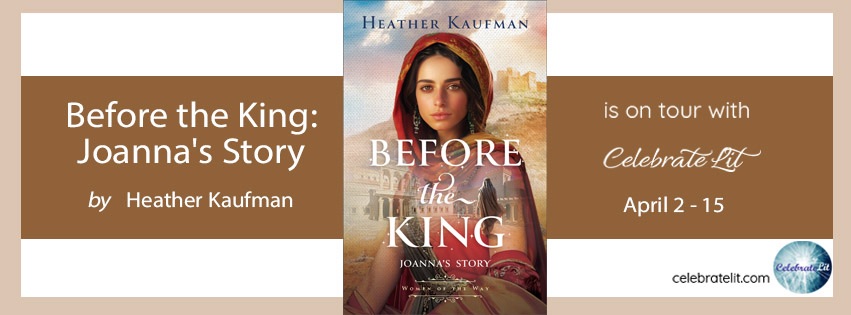
Book: Before the King: Joanna’s Story (Women of the Way Book 2)
Author: Heather Kaufman
Genre: FICTION / Christian / Biblical
Release date: January 21, 2025
Joanna’s wealthy family aspires to Herod’s inner circle, but when her father’s esteemed position in the Sepphoris Sanhedrin is threatened, her family harbors a dark secret. Entangled in the complexities of aristocratic life and an impending arranged marriage, Joanna is caught between her own desires and maintaining appearances. When tragedy strikes, Joanna grapples with a new future that challenges her sense of duty and hope for love.
Years later, Joanna is forever changed when a rabbi comes preaching a new kingdom and healing the sick. As she contributes to his ministry, Joanna treads a perilous path between a court that mocks Jesus of Nazareth, disciples who view her with suspicion, and a husband who guards his own secrets. With pressure increasing on all sides, Joanna must decide where her allegiances lie and protect her relationship to the Christ, whose message is as compelling as it is dangerous.
Heather Kaufman is the author of multiple books and devotions, praised by Kirkus Reviews for writing “a charming and well-crafted tale.” She delights in highlighting the goodness of God through storytelling. When not reading, writing, or accumulating mounds of books, Heather can be found exploring new parks with her husband and three children near their home in St. Louis, Missouri.
More from Heather
Hello, Fellow Book Lover!
My heart behind the Women of the Way series is to highlight the beauty of Jesus through the eyes of some of his lesser-known female followers. In Before the King, we behold Jesus through the eyes of Joanna. Although she’s only named twice in Scripture, the little we do know about her is compelling. In Luke 8:1-3, we discover that Joanna was healed by Jesus of an infirmity and then followed him, supporting his ministry from her own means. What’s so shocking is that she’s the wife of Chuza, Herod Antipas’ steward! During my research, I discovered that her husband’s position is better translated “procurator,” someone in charge of financial affairs. Such a position suggests that Chuza was a prominent man within Herod’s administration. But the surprises don’t end there! My research also indicated that Chuza was most likely Nabatean. Nestled just southeast of Herod’s own territory of Perea, Nabatea was a major world power at the time of Christ.
The more I researched, the more my jaw dropped to the ground. How did a Jewish woman married to a prominent Gentile within Herod’s administration come to support Jesus of Nazareth? Did her husband know? Did he approve? Did Herod himself ever find out? You’ll have to read Before the King to see just where my imagination took me!
I depict Joanna as caught between two courts—that of Herod Antipas and that of Jesus Christ. She chooses to risk everything for her faith and that choice pays off. The second time we see Joanna in Scripture is in Luke 24:10 as an eyewitness to the empty tomb. Not only did she behold the empty tomb, she gazed upon the risen Christ, for in Matthew 28:9 we read that as the women left, they encountered Jesus himself. What an amazing privilege to be one of the first to meet the risen Lord in the flesh!
I hope Joanna’s story encourages you to live a bold faith that clings to Christ, despite opposition. Our world now isn’t so different from hers then. Christ’s Kingdom is still advancing in the midst of political unrest, social division, and rampant greed. May we pin our hopes upon King Jesus, who is worthy of our devotion. Like Joanna, may we place all we have within his hands, deeming him worthy of the cost.
While you read, consider listening to the Before the King playlist! It’s full of inspirational music that ties into the themes from the book. Give it a listen HERE. Happy reading (and listening)!
Surrendering with you to Him,
Heather
My Impressions
“I have to believe,” came her simple reply. “In order to live, I have to believe that He is present and that He cares.”- Dalia
What a Biblical fiction adventure this book is! Before the King: Joanna’s Story by Heather Kaufman brings us into an influential Jewish family’s life during the time of Herod Antipas and Jesus. ( Having read Kaufman’s debut Biblical novel, Up from Dust: Martha’s story, I knew I wanted to read Kaufman’s second novel, too!)
“I am an ordinary woman whom God chose to put in extraordinary places. Any strength to be found in my story is His alone. I only did what I could with what I had, and this, I now know, is how His Kingdom advances. Each of us doing what we can with what we have by His power. So no, I am not brave. I am needy—desperate for Adonai to meet me with His strength. My story is how He did just that.”- Prologues can be wealths of information, tone, and general direction setting of the novel. Kaufman’s prologues are not to be missed!
Though the story is told in first-person by Joanna, I find Joanna’s sister Dalia very central to the novel. Dalia has a serious illness, and the family decides to hide that fact in order to prosper in Herod’s court. Joanna rises to prominence and hopes for an advantageous love-match, yet her sister is never far from her mind. How can one sister have nothing and yet be happy, while the other has the world at her fingertips, and is still searching for that elusive feeling?
I love this novel because it shows how Jesus can reach down and touch any life, transforming even one that seems hopeless. It also shows, as does Kaufman’s debut novel, how Jesus cares about women’s needs for love, significance, and security: needs that were totally ignored and trampled in that society.
I received a copy of the book from the author and publisher through Celebrate Lit via NetGalley. I also bought my own copy for the keeper shelf . No positive review was required, and all opinions are my own.
Notable Quotables:
“You are frightened to accept God’s abundance, as was I once. You say His mercy is what drew you to Him, and yet you push that mercy back in His face.”
“Then we would be in God’s hands—…“An infinite God who promises His presence is worth trusting.”
“You must release them from whatever untruths they knowingly or unknowingly harbored. You must do this for yourself.”
“What do we do when God doesn’t give us what we want?”“Well . . .” Dalia had scrunched up her nose in thought. “I suppose we trust Him to give us what we need instead.” “But what if He doesn’t answer us at all?” “Oh, He does, Jojo. You just may not hear it because it’s not what you expected.”
“God is as near as our own breath.”
“What others think of me has no bearing on who I am…What people think changes all the time. What is true never changes.” -Dalia
My Rating
⭐️⭐️⭐️⭐️⭐️
Superior!! Heather Kaufman’s Biblical fiction is not to be missed!!
Book: The Daughter of Rome (The Emissaries Book 3)
Author: Angela Hunt
Genre: FICTION / Christian / Biblical
Release date: March 4, 2025
In Nero’s Rome, Calandra helps her father, a renowned sculptor, complete the most significant commission of his illustrious career. But then a catastrophic fire nearly destroys the imperial city, leaving Calandra reliant on a group of Christians–unusual individuals unlike any she has encountered before. Intrigued by their worship of the Son of an invisible God, Calandra grapples with her mistrust, only to find herself indebted to these believers as they help her rebuild her shattered world.
When Emperor Nero begins constructing his opulent Golden House, the people of Rome grow resentful, suspecting him of starting the fire in order to clear the land for his immense palace. Needing a scapegoat, Nero points at those who follow the Jewish Messiah, forcing Calandra to make an impossible choice between right and wrong, friends and family, love and death.
Angela Hunt is a New York Times bestselling author of more than 160 books, with nearly 6 million copies sold worldwide. Angela’s novels have won or been nominated for the RWA RITA Award, the Christy Award, the ECPA Christian Book Award, and the HOLT Medallion. Four of her novels have received ForeWord Magazine‘s Book of the Year Award, and Angela is the recipient of a Lifetime Achievement Award from both the Romantic Times Book Club and ACFW. Angela holds doctorates in biblical studies and theology. She and her husband make their home in Florida with mastiffs and chickens.
More from Angela
Dear Reader:
Thank you for joining me on this blog tour for THE DAUGHTER OF ROME, book three in the Emissaries series. The book stands alone, but it includes characters from books one and two, so people who have read those books will have a fuller understanding of who those people are. But no worries! If you haven’t read the first two books, you’ll still have no problem reading THE DAUGHTER OF ROME.
When I shaped the idea for this series, I had just finished The Jerusalem Road books, which centered on Jews who lived during Jesus’ life and ministry. I wanted to keep writing in this time period, so I shifted my focus from the Jews to the Gentiles—specifically, the people who came to faith through Paul’s ministry.
The first book in the series, THE WOMAN FROM LYDIA, is concerned with the seller of purple who hosted the Philippian church in her home. The second book, THE SISTERS OF CORINTH, features two competing sisters who lived, naturally, in Corinth. And the third book, THE DAUGHTER OF ROME, is about a young sculptress who lives in Rome during the time of Nero.
I have been fascinated by this time period ever since reading THE SILVER CHALICE and THE ROBE in my childhood. What would it have been like, I wondered, to live in a time when you could be executed simply for saying you believed in Jesus? Americans don’t really know what that’s like, but people in other parts of the world still deal with that danger today. The Bible tells us that this kind of danger is not going away—it will be prevalent during the end times as well. So I wanted to explore the world of the ancient Romans, and hoped to pull some lessons from it that will apply to us today.
I’ve also been amazed at what we can still see of ancient Greek and Roman art—how did they sculpt those massive statues? One such work, the Colossus, was so large it stood in the harbor and ships reportedly entered beneath it!
THE DAUGHTER OF ROME features one other fascinating element—a question that garners as much debate as “who killed JFK?” The story takes place during the time that the Great Fire of Rome nearly leveled the entire city, and to this day, no one is certain how it began. The people blamed Nero, Nero blamed the Christians, and it may have been a kid illegally cooking his dinner at the racetrack.
I hope you’ll enjoy reading the story as much as I did writing it. Thanks for coming along on the tour!
Angela Hunt
My Impressions
“I am a daughter of Rome,” I said, “so I will trust the gods of Rome for my future.”
I’ve been waiting 9 months ( half of forever!) for this book!! Third in The Emissaries series by Angela Hunt, The Daughter of Rome does answer the questions from the second book, The Sisters of Corinth. However, the main characters are not the same, and there is enough back story provided to let a first-time reader enjoy the book, too. Still, the completed storyline is richer if the secondary characters are already your friends.
Callandra is a young woman , yet unmarried, who lives with her widowed and accomplished sculptor father. Callandra assists her father in his work and also paints the sculptures.
Having read book two, I was certain that, as this novel occurs in the time of Nero and great persecution, it could be a hard book to read. It is, but it is also so compelling, romantic, and chock-ful of history and Bible passages, too! And, so worth it!!
(A side note, there seem to be some parallels to the time of Elijah and the persecution of followers of God under Ahab and Jezebel. )
Callandra and her father are hired to sculpt a bust of a leading Roman senator. When he is pleased with the result, he hires Callandra and her father to produce an auspicious work. In their dealings, Callandra meets the senator’s compassionate and kind son, Hadrian. While a mutual attraction develops, any romance between the two is impossible because one is a patrician and one, a plebeian.
And then, the great fire of Rome occurs and changes all of their lives. The fire sends Callandra and her father fleeing across the river for their lives. One group of people is welcoming. The same group that Hadrian, by his father’s command, keeps under house arrest unless they will change their beliefs.
It is so beautiful to see the way both the Jewish and Greek Christians freely love, share, and witness. Their generosity in all areas attracts and effects change in many. Many try to reason with Callandra, who is embittered by the losses caused by the fire. “When I had sight, I was blind to the Creator of the world, but as a blind man I began to glimpse His hand. Now I see Him working every day.” But Callandra hangs on to her Roman gods.
As Nero looks for scapegoats for the fire, the Christians make a convenient target. This was especially hard to read, as many of these are now people I think of as friends. The Christians could hold strong, because they believed, “Death is not our enemy; it is a journey to Adonai.” The question becomes, though, as these Christians remain faithful, does God see? Was He watching over these? What response will Callandra, Hadrian, and others who moved and interacted among these people have? Which gods or God will prove to love the people and care for them?
My fave secondary characters were many. Priscilla, Petros, and Mariana and Marcus from the previous book.
I received a copy of the book from the publisher through Celebrate Lit via NetGalley. I also bought my own copy. No positive review was required, and all opinions are my own.
Notable Quotables:
“I am not the man I used to be, and my life is no longer my own.”
“Don’t ask for Adonai’s will, I wanted to shout, and promise you’ll do something for him if he does something for you. But Adonai did not operate like the Roman gods. Adonai demanded that his followers surrender everything to his control.”
“Adonai does not live to serve us. We live to serve Him.”
“Adonai always preserves a remnant. Always.”
“I prayed for Adonai to change my poor eyes, and He changed me instead.”
“Art was about more than size. Art was about beauty and design and its ability to provoke thought .”
“And I am content to remain in whatever state Nero confines me, for Adonai rules over kings and emperors.”
My Rating
⭐️⭐️⭐️⭐️⭐️
Superior!! Grab the tissues as you learn more about Nero’s Rome and evaluate your own faith!!
Joanna’s wealthy family aspires to Herod’s inner circle, but when her father’s esteemed position in the Sepphoris Sanhedrin is threatened, her family harbors a dark secret. Entangled in the complexities of aristocratic life and an impending arranged marriage, Joanna is caught between her own desires and maintaining appearances. When tragedy strikes, Joanna grapples with a new future that challenges her sense of duty and hope for love.
Years later, Joanna is forever changed when a rabbi comes preaching a new kingdom and healing the sick. As she contributes to his ministry, Joanna treads a perilous path between a court that mocks Jesus of Nazareth, disciples who view her with suspicion, and a husband who guards his own secrets. With pressure increasing on all sides, Joanna must decide where her allegiances lie and protect her relationship to the Christ, whose message is as compelling as it is dangerous.
About the Author
Heather Kaufman lives in the Midwest with her husband and three children. She holds a BA from McKendree University and an MA from the University of Missouri—St. Louis. When not reading or writing, she can be found drinking copious amounts of coffee and exploring new parks with her family.
My Impressions
“I have to believe,” came her simple reply. “In order to live, I have to believe that He is present and that He cares.”– Dalia
What a Biblical fiction adventure this book is! Before the King: Joanna’s Story by Heather Kaufman brings us into an influential Jewish family’s life during the time of Herod Antipas and Jesus. ( Having read Kaufman’s debut Biblical novel, Up from Dust: Martha’s story, I knew I wanted to read Kaufman’s second novel, too!)
“I am an ordinary woman whom God chose to put in extraordinary places. Any strength to be found in my story is His alone. I only did what I could with what I had, and this, I now know, is how His Kingdom advances. Each of us doing what we can with what we have by His power. So no, I am not brave. I am needy—desperate for Adonai to meet me with His strength. My story is how He did just that.”– Prologues can be wealths of information, tone, and general direction setting of the novel. Kaufman’s prologues are not to be missed!
Though the story is told in first-person by Joanna, I find Joanna’s sister Dalia very central to the novel. Dalia has a serious illness, and the family decides to hide that fact in order to prosper in Herod’s court. Joanna rises to prominence and hopes for an advantageous love-match, yet her sister is never far from her mind. How can one sister have nothing and yet be happy, while the other has the world at her fingertips, and is still searching for that elusive feeling?
I love this novel because it shows how Jesus can reach down and touch any life, transforming even one that seems hopeless. It also shows, as does Kaufman’s debut novel, how Jesus cares about women’s needs for love, significance, and security: needs that were totally ignored and trampled in that society.
I received a copy of the book from the author and publisher through Celebrate Lit via NetGalley. I also bought my own copy for the keeper shelf . No positive review was required, and all opinions are my own.
Notable Quotables:
“You are frightened to accept God’s abundance, as was I once. You say His mercy is what drew you to Him, and yet you push that mercy back in His face.”
“Then we would be in God’s hands—…“An infinite God who promises His presence is worth trusting.”
“You must release them from whatever untruths they knowingly or unknowingly harbored. You must do this for yourself.”
“What do we do when God doesn’t give us what we want?”“Well . . .” Dalia had scrunched up her nose in thought. “I suppose we trust Him to give us what we need instead.” “But what if He doesn’t answer us at all?” “Oh, He does, Jojo. You just may not hear it because it’s not what you expected.”
“I am learning that sometimes God gives us things we cannot understand in order to shake us apart. To undo things we believe that we shouldn’t. To make room for the things we must believe.”– Joanna’s father
“God is as near as our own breath.”
“What others think of me has no bearing on who I am…What people think changes all the time. What is true never changes.” -Dalia
My Rating
⭐️⭐️⭐️⭐️⭐️
Truly Magnificent!! We all have some of Joanna in us- searching for love, significance, and security that only Jesus can fulfill!
Welcome to the Takeover + Review Blitz for Brave: The Story of Ahinoam by Mesu Andrews hosted by JustRead Publicity Tours!
About the Book
Title: Brave: The Story of Ahinoam Series: King David’s Brides #1 Author: Mesu Andrews Publisher: Bethany House Publishers Release Date: October 1, 2024 Genre: Biblical Fiction
In the tumultuous world of ancient Israel, Ahinoam–a dagger-wielding Kenite woman–flees her family farm with her unconventional father to join the ragtag band of misfits led by the shepherd-turned-warrior David ben Jesse. As King Saul’s treasonous accusations echo through the land, Ahinoam’s conviction that David’s anointing makes him Yahweh’s chosen king propels her on a perilous journey to Moab and back into Judah’s unforgiving wilderness, only to encounter more hardship and betrayal.
Amid the challenges, Ahinoam forges an unexpected bond with David’s sister and gains respect among David’s army through her knowledge of Kenite metalworking. Though some offer friendship, Ahinoam, scarred by past relationships, isolates to avoid more pain and refuses to acknowledge her growing feelings for the renegade king. As Ahinoam’s heart grapples for footing, King Saul’s army closes in, and Ahinoam must confront the true meaning of love, loyalty, and courage. Is she brave enough to trust new friends and love Israel’s next king?
Mesu Andrews is a Christy Award-winning, bestselling author of biblical novels and devotional studies, whose deep understanding of and love for God’s Word brings the Bible alive for readers. Her heritage as a “spiritual mutt” has given her a strong yearning to both understand and communicate biblical truths in powerful stories that touch the heart, challenge the mind, and transform lives. Mesu lives in Indiana with her husband, Roy, where she stays connected with her readers through newsy emails, blog posts, and social media.
Connect with Mesu by visiting mesuandrews.com to follow her on social media or subscribe to email newsletter updates.
My Impressions
“I will capture your heart, Ahinoam bat Toren, no matter how hard you run.”
Brave: The Story of Ahinoam, by the Biblical fiction queen Mesu Andrews, is a remarkable novel that sews together Scripture and “what might have been.” The narrator alternates between Ahinoam and David, enough so I believe both men and women could enjoy this saga of David and his rag-tag band of malcontents in the desert. Much strategy, some conflicts in the camp and without, action aplenty, and a good look at the land of Israel all make this a compelling read. Can Ahinoam, an outsider, join the ranks, and more importantly, declare allegiance to the king-to-be’s heart?
Much research of the land, the times, and the customs of the various cultures is very evident, enriching the perilous journey as David flees from Saul. We see not only Ahinoam’s romance,but a loyal, steadfast group of followers who are threatened by thirst, hunger, and poverty as they protect the man they believe is God’s anointed. Andrews offers plausible ideas for David’s rejection within his own family. Psalms are woven into the story as well as other Scriptures that tell of David’s time running from Saul.
I both loved and wanted to cry when David and his family killed the sheep for Passover in the desert. They had kept this perfect lamb in the “home” for four days, until it was like a pet. Then, it was time to sacrifice it, a true heart sacrifice as everyone now loved the lamb giving its life for them.
The hardest part of the story for me, was the acceptance of multiple wives. Whether it is the culture, or whether it seems like it is not in God’s perfect will for there to be more than two people in a marriage, Ahinoam is warned by different people before she makes her decision. “Let no man—or woman—ever question your position or God’s love for you. You have the courage of a warrior. But to live as a royal wife, you must be brave enough to forgive a thousand times simply because your husband wills it. You must have the mettle to let a gentle reply deflect criticism. And, to maintain a peaceful royal house and your self-respect, you must fight the most formidable enemy of all—the other women who will bear David’s children.”
Ahinoam is certainly going to need to realize David’s humanity will fail at some point. Every married person needs to remember this: “So, remember the only One who never leaves you, never betrays, never abandons, never dies.”
Which leads me to mention that Abigail appears in the story, bringing hope, turmoil, and help. I was disappointed that we don’t see much of Abigail and her story seems so truncated. But Andrews offers a prequel “Abigail” found by subscribing to her newsletter. I was much happier after reading that.
Still, I have to think that a family with multiple wives will have a few more problems to come. I’m sure we will see more of this possible conflict of the hearts in the following books, including the next book about Maakah.
I received a copy of the book from Just Reads and Netgalley. I also purchased my own copy. No positive review was required, and all opinions are my own.
Notable Quotables:
“Do you trust God’s anointed leader with the authority to make decisions that differ from your own will and judgment?”
“rebuilding the relationship meant she took on the far more difficult task of choosing to resist bitterness whenever memories rekindled the hurt.”
“I will sometimes lead my people into hard places but never into known danger. Yahweh does the same…
“The barrenness strengthens and shapes us into what the Lord wants us to become.”
“Sometimes we need to worship God even more than God needs our worship.”
My Rating
⭐️⭐️⭐️⭐️⭐️
Magnificent!
Tour Giveaway
(1) winner will receive a signed copy of Brave: The Story of Ahinoam and a $15 Amazon gift card!
Be sure to check out each stop on the tour for more chances to win. Full tour schedule linked below. Giveaway began at midnight October 9, 2024 and lasts through 11:59 PM EST on October 16, 2024. Winner will be notified within 2 weeks of close of the giveaway and given 48 hours to respond or risk forfeiture of prize. US only. Void where prohibited by law or logistics.
Book: The Sisters of Corinth (The Emissaries: Book 2)
Author: Angela Hunt
Genre: Biblical Fiction
Release date: May 21, 2024
“Angela Hunt takes her craft to new heights–and depths–as she fully immerses us in the lives and struggles of first-century followers of Yeshua.”–Tamera Alexander, bestselling author on The Woman from Lydia
When the new provincial governor arrives in Corinth, the esteemed Chief Magistrate Narkis Ligus, father to Mariana and Prima, is delighted. He sees a golden opportunity to propel himself to greater power and fortune by uniting his and the governor’s households through the marriage of one of his beautiful unwed daughters to the governor’s firstborn son.
Yet complications quickly arise in Narkis’s own family. Mariana, his stepdaughter, holds steadfast faith in Yeshua, rendering her hesitant to marry a man devoted to the Roman gods, despite Narkis’s urging. On the other hand, Prima, his daughter by birth, yearns for a life of wealth and status and is willing to go to great lengths to secure a marriage that fulfills her desires–even if it means betraying Mariana to do so.
Angela Hunt is a New York Times bestselling author of more than 160 books, with nearly 6 million copies sold worldwide. Angela’s novels have won or been nominated for the RWA RITA Award, the Christy Award, the ECPA Christian Book Award, and the HOLT Medallion. Four of her novels have received ForeWord Magazine‘s Book of the Year Award, and Angela is the recipient of a Lifetime Achievement Award from both the Romantic Times Book Club and ACFW. Angela holds doctorates in biblical studies and theology. She and her husband make their home in Florida with mastiffs and chickens.
More from Angela
Hello!
Thank you for helping me kick off the book tour for THE SISTERS OF CORINTH. This book is the second in my Emissaries series, but don’t worry—it reads like a stand alone.
The series features Gentiles who became believers in Christ through the ministry of Paul. The first book was about the woman called Lydia who lived in Philippi, and this book is about two step-sisters who lived in Corinth, the “Vegas” of the Roman Empire. What happened in Corinth stayed in Corinth, if you get my meaning, and there was a LOT going on in that pagan city.
I couldn’t help but think of Cinderella’s story as I wrote the opening of this book. The novel begins when the two sisters hear about the new governor coming to Corinth. He has a handsome and eligible son, and Narkis, the head of their family, is determined that one of his daughters should marry him. Prima is like her father, power-hungry and pretentious, while quiet Mariana is a believer in Yeshua. There’s a great deal of primping and preparing, scheming and scowling as the banquet draws near, and you’ll never guess which daughter the young man chooses—or maybe you will.
I hope you enjoy THE SISTERS OF CORINTH and thank you so much for taking part in this book tour. I am so grateful!
Always,
Angela Hunt
My Impressions
“Hester and Mariana could have their strange new god, but Father and I would remain true to the deities of Rome. They had made us part of an empire that brought its citizens power, slaves, and unimaginable luxuries.”
In The Sisters of Corinth, Angela Hunt spins a Biblical fiction tale so real, so suspenseful, and so engrossing that you want to put it down until you can finish it.
It is the story of the Roman world in the Apostle Paul’s time, during the reign of Nero. It is the story of a divided house. In a second marriage for both Corinthian statesman Narkis and his wife Hester, both bring daughters into the marriage. Prima and her father follow the Roman gods; Hester and her daughter, Mariana, have learned from Paulos and Acquilla & Priscilla to follow Yeshua.
Hunt’s novel is consists of two basic conflicts. As we read alternating chapters narrated by the sisters, we see sister pitted against sister for the love of the son of the new governor of Corinth. The other conflict pits all the gods of Rome against the God Who created the Universe. “How could the gods disappoint me? Mariana’s God could not be stronger than Aphrodite, Jupiter, and Asclepius. She had one God; I had dozens. Impossible that one foreign God could have prevailed against the gods of Rome.”
Power, lust, and greed are very real and driving forces in Corinth ( and Roman) politics. How far will Narkis and his daughter, Prima, go to ensure they climb the social and political ladder leading to Rome?
I was amazed by the attitudes toward slaves of the day. Yet, I think that Hunt probably went light on her description of the depravity there.
I loved how a daily witness of love and kindness in their homes influenced people around Jeshua’s followers. I also loved discovering that this is a second book in a series of three. So I must find the first book and prepare for the way Hunt will wrap up things in the third. My little experience with Hunt and this time period says it may not be as pretty as I’d like!
I received a copy of the book from Celebrate Lit via Netgalley. I also purchased my own ecopy. No positive review was required, and all opinions are my own.
Notable Quotables:
“Freedom was found in truth, and truth was found only in Adonai and His Son.”
“Your Adonai,” she said, her voice firm, “He must be the true God…Because He is the only God who asks His followers to do what they cannot do without His help.”
“Even the small mistakes of rulers loom large in history, and that thought is what terrifies me.”
“Perhaps it is the same with your God—if you know He is good, you can trust Him to be kind.”
To celebrate her tour, Angela is giving away the grand prize package of a paperback copy of The Woman from Lydia and The Sisters of Corinth and a $15 Amazon gift card!!
Be sure to comment on the blog stops for nine extra entries into the giveaway! Click the link below to enter.




















 Babbling Becky L’s Book Impressions